
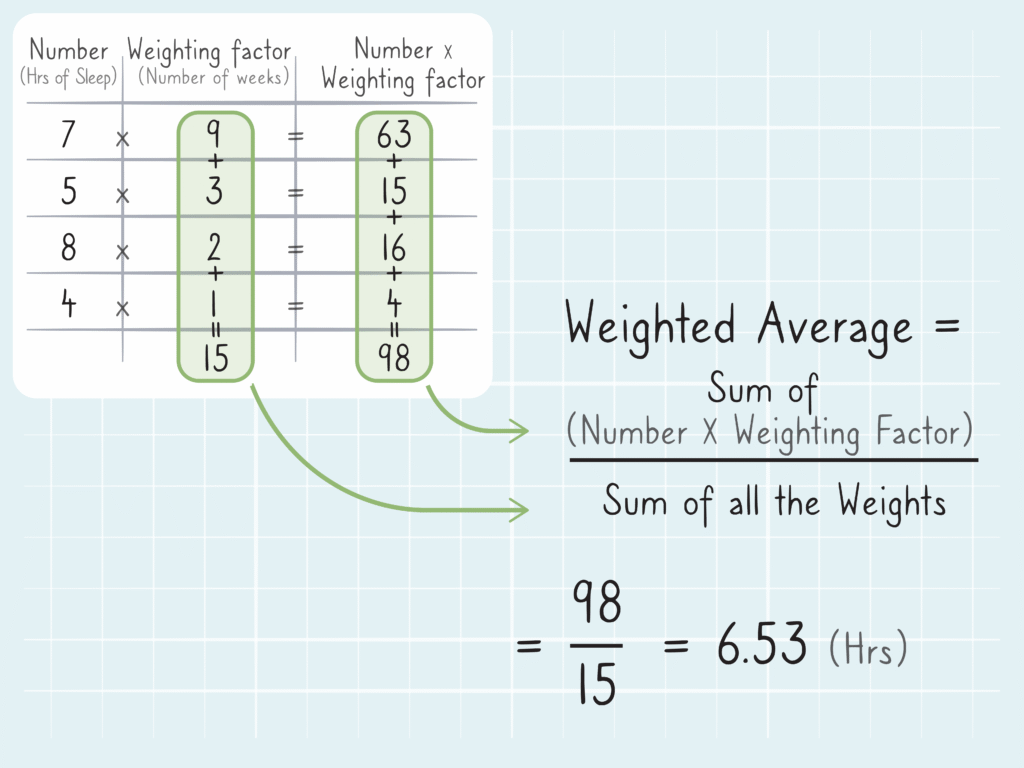
Understanding how to calculate weighted average grades is essential for tracking academic progress, especially when quizzes, assignments, and exams each hold different weights. Instead of guessing or manually crunching numbers, you can use a fast, accurate tool like this weighted grade calculator to compute your overall grade instantly and avoid common calculation mistakes.
Whether you’re a college student, a high school learner, or someone reviewing online course performance, weighted grades show your true academic standing more accurately than simple averages.
What Are Weighted Average Grades?
Weighted average grades consider the importance or weight of each assignment or exam before calculating your final score. Unlike a standard average, where every score is treated equally, weighted grades recognize that:
- Exams usually matter more
- Quizzes may have a small weight
- Projects and labs can hold significant value
This creates a more accurate reflection of your academic performance.
Why Weighted Grades Matter
Weighted grades give a clearer picture of your progress by emphasizing major assessments. They help you:
- Understand how each assignment affects your final grade
- Prioritize high-weight tasks
- Predict your end-of-term results
- Identify where to improve
- Track academic performance more accurately
Using a weighted average calculator makes the process easier and ensures better accuracy.
Formula to Calculate Weighted Average Grades
The formula is:
Weighted Grade = (Score × Weight) + (Score × Weight) + …
Or more formally:
Weighted Grade = Σ (Grade × Weight) ÷ Σ Weight
Where:
- Grade = your score
- Weight = percentage or value assigned to that grade
Step-by-Step Method to Calculate Weighted Grades
Step 1: Write Down All Assignments and Their Weights
Example:
- Quiz = 10%
- Midterm = 30%
- Final Exam = 60%
Step 2: Record Your Scores
Example:
- Quiz = 80%
- Midterm = 70%
- Final Exam = 90%
Step 3: Convert Weights to Decimals
- Quiz: 10% → 0.10
- Midterm: 30% → 0.30
- Final: 60% → 0.60
Step 4: Multiply Score × Weight
- Quiz: 80 × 0.10 = 8
- Midterm: 70 × 0.30 = 21
- Final: 90 × 0.60 = 54
Step 5: Add All Weighted Scores
8 + 21 + 54 = 83%
Your weighted average grade is 83%.
To avoid manual mistakes, students often use tools like this weighted grade calculator for accuracy and speed.
Example with Multiple Assessments
Let’s say your course includes:
- Homework (20%) → Score: 88
- Class Participation (10%) → Score: 100
- Quizzes (20%) → Score: 75
- Midterm Exam (25%) → Score: 82
- Final Exam (25%) → Score: 90
Weighted calculation:
- Homework: 88 × 0.20 = 17.6
- Participation: 100 × 0.10 = 10
- Quizzes: 75 × 0.20 = 15
- Midterm: 82 × 0.25 = 20.5
- Final: 90 × 0.25 = 22.5
Total = 85.6%
Your weighted average grade = 85.6%.
Tips for Calculating Weighted Average Grades Accurately
- Always convert percentages to decimals
- Include every assignment or exam
- Double-check that weights add up to 100%
- Focus extra study on high-weight assessments
- Track grades consistently, not just at the end
- Use a weighted average grade calculator to reduce errors
Common Mistakes Students Make
- Forgetting to convert weight percentages
- Adding grades instead of multiplying
- Missing small assignments that affect the total
- Using incorrect weight distribution
- Ignoring extra credit
A reliable calculator helps eliminate these issues.
Frequently Asked Questions (FAQs)
What is the easiest way to calculate weighted average grades?
Using a weighted grade calculator is the fastest, easiest, and most accurate way.
Do weighted grades affect my GPA?
Yes. Weighted grades impact both course grades and overall GPA, especially in courses with heavy final exams.
What if my weights don’t add up to 100%?
You must correct the weight distribution or confirm with your instructor. Accurate calculation depends on correct weights.
How do I calculate weighted grades with points instead of percentages?
Convert points to percentages, then apply the standard weighted grade formula.
Does missing an assignment affect weighted grades more?
Missing a high-weight assignment can drop your grade significantly, even if low-weight tasks were completed.
Conclusion: Track Your Progress with Weighted Grade Calculations
Now you know exactly how to calculate weighted average grades using the correct formula, examples, and step-by-step instructions. Instead of guessing, track your grades accurately and stay ahead by using the weighted grade calculator.
If this guide helped you, share it with classmates, drop your questions in the comments, and subscribe for more academic tools and tips.