A 22/25 grade equals 88%. In most U.S. grading systems, 88% falls in the B+ range and converts to a GPA of approximately 3.3. Some institutions may place it in the A− range depending on their specific grading scale.
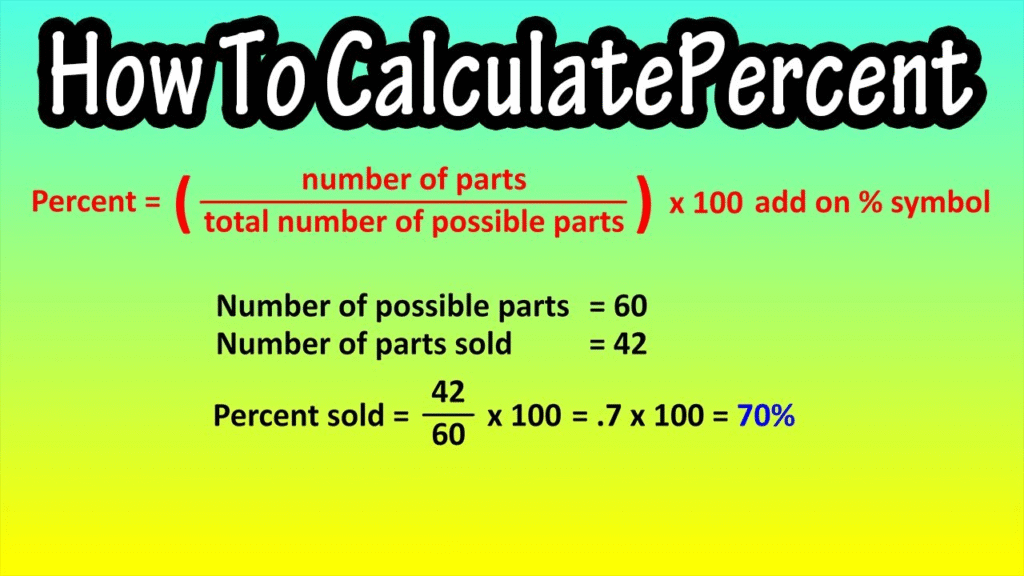
Formula:
(Points Earned ÷ Total Points) × 100 = Percentage (22 ÷ 25) × 100 = 88%
Whether this score earns you an A, A−, or B+ depends entirely on the grading scale your school uses. The rest of this guide breaks down every major grading system so you know exactly where 88% lands — and what it means for your GPA.
Why Grading Scales Matter (And Why They Differ)
Grading scales are standardized systems that translate raw scores into meaningful performance indicators. A score of 22 out of 25 on its own tells you little without context. Is 88% an A at your school? A B+? Does it translate to a 3.3 or a 3.7 GPA?
Schools use grading scales for several practical reasons:
- Consistency: A standardized scale ensures all students are evaluated by the same benchmark, making comparisons fair across classrooms and schools.
- Communication: Letter grades and GPAs give students, parents, colleges, and employers a quick snapshot of academic performance.
- Motivation: Defined thresholds give students clear goals to work toward.
- College admissions: Universities rely on GPAs converted from grading scales to compare applicants from different schools.
Understanding the scale your institution uses is the first step toward accurately interpreting any score — including your 22/25. If you want to go deeper, our guide on how to calculate grade percentage walks you through the math step by step.
The 5 Major Grading Scales Used in Schools Today
1. Percentage Grading Scale
The percentage scale is the most straightforward system. Every score is expressed as a number between 0 and 100. A 22/25 earns you exactly 88%, which most schools classify as follows:
| Percentage Range | Standard Letter Grade | Performance Level |
| 93–100% | A | Excellent |
| 90–92% | A− | Excellent |
| 87–89% | B+ | Above Average |
| 83–86% | B | Good |
| 80–82% | B− | Good |
| 77–79% | C+ | Average |
| 73–76% | C | Average |
| 70–72% | C− | Below Average |
| 67–69% | D+ | Passing (barely) |
| 60–66% | D | Passing (barely) |
| Below 60% | F | Failing |
Based on this standard scale, 88% (22/25) = B+. However, some schools use a slightly different threshold, placing 88% in the A− range if their A− bracket starts at 87%. Always check your syllabus.
Curious about related scores? See what grade is 75%, what grade is 70%, and what grade is 80% for direct comparisons.
2. Letter Grading Scale
Letter grades condense percentage ranges into alphabetical labels. The standard U.S. system uses A through F, often with plus and minus modifiers. Here is how 88% maps across different letter grade systems:
| System | Grade for 88% | Notes |
| Standard U.S. | B+ | A− starts at 90% |
| Strict A Scale | A− | A− starts at 87% |
| 10-Point Scale | B | Each letter covers 10% |
| Some Private Schools | A | A range starts at 85% |
The variation matters. At a school where A starts at 85%, your 22/25 earns an A. At a school where A starts at 93%, it earns a B+. This is why blindly comparing letter grades between institutions can mislead you.
For nuanced questions like is 89.5 an A or B, the answer always comes back to which specific scale applies. Similarly, is 78 a C depends on the same threshold logic.
3. GPA Grading Scale (4.0 Scale)
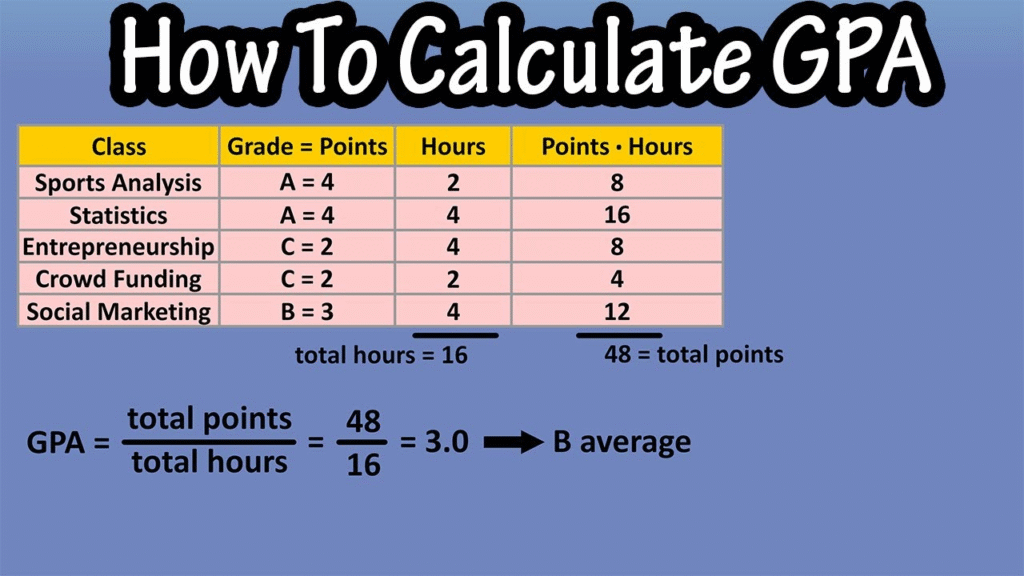
The Grade Point Average (GPA) system converts letter grades into a numerical scale, most commonly 0.0 to 4.0. Colleges and universities use GPA to summarize a student’s overall academic performance.
Here is the standard GPA conversion table:
| Letter Grade | Percentage Range | GPA (4.0 Scale) |
| A+ | 97–100% | 4.0 |
| A | 93–96% | 4.0 |
| A− | 90–92% | 3.7 |
| B+ | 87–89% | 3.3 |
| B | 83–86% | 3.0 |
| B− | 80–82% | 2.7 |
| C+ | 77–79% | 2.3 |
| C | 73–76% | 2.0 |
| C− | 70–72% | 1.7 |
| D+ | 67–69% | 1.3 |
| D | 60–66% | 1.0 |
| F | Below 60% | 0.0 |
A 22/25 grade (88%) = B+ = 3.3 GPA under the standard 4.0 scale.
Want to know more? Our guides on how to calculate a GPA from letter grades and is a 3.5 GPA good for college give helpful context on where a 3.3 stands in the college admissions landscape.
A common question: is 70 a 3.0 GPA? The answer is no — 70% typically earns a C−, which is a 1.7 GPA. Your 88% puts you significantly above that benchmark.
4. Weighted GPA vs. Unweighted GPA
Not all GPAs are created equal. This distinction is critical when you receive a 22/25 on an AP or honors assignment.
Unweighted GPA
An unweighted GPA treats every course the same. Whether you earn a B+ in regular English or AP English, it counts as a 3.3. The scale maxes out at 4.0.
Weighted GPA
A weighted GPA gives extra value to advanced courses:
| Course Type | GPA Bonus Added |
| Regular | 0.0 (no bonus) |
| Honors | +0.5 |
| AP / IB | +1.0 |
So a B+ (3.3) in an AP class becomes a 4.3 weighted GPA for that course. A 22/25 on an AP exam is worth more to your cumulative GPA than the same score on a regular class assignment.
This matters for college admissions. Admissions officers often recalculate GPAs on their own unweighted scale, but the rigor of AP coursework still signals ambition and capability. Learn more about how to calculate GPA with weighted courses and what a 5.0 GPA means in the USA, since some schools use a 5.0 weighted scale. Also worth reading: is a 4.0 GPA straight A’s?
5. Standards-Based Grading (SBG)
Standards-Based Grading evaluates students on whether they’ve mastered specific skills or learning objectives, rather than averaging all scores together. Instead of a B+, a student might receive a score of 3 out of 4 on a particular standard (e.g., “Applies mathematical reasoning correctly”).
In this system, a 22/25 on a quiz doesn’t automatically translate into a single GPA number. Instead, teachers analyze which 3 questions you missed and whether those questions map to standards you haven’t yet mastered.
SBG is increasingly common in K–8 education and some progressive high schools. If your school uses it, ask your teacher how raw scores like 22/25 translate into your standards proficiency report.
6. Pass/Fail Grading
Some courses — particularly electives, internships, and certain college seminars — use a simple Pass/Fail system. In most cases, 70% or higher earns a Pass. Since 88% is well above any common passing threshold, a 22/25 grade passes comfortably under every Pass/Fail system in use.
Pass/Fail grades typically do not affect GPA calculations, which is one reason students sometimes choose P/F grading for challenging elective courses to protect their GPA.
Frequently Asked Questions (FAQ)
What is 22 out of 25 as a percentage?
22 out of 25 equals 88%. The formula is simple: divide 22 by 25 and multiply by 100. This percentage is considered high-performing on nearly all academic grading scales.
Is a 22/25 grade good?
Yes, 88% is a strong academic result. It typically earns a B+ or A− depending on the school’s grading scale. It demonstrates solid mastery of the material with only minor gaps remaining.
What letter grade is 22/25?
Under the most common U.S. grading scale, 22/25 (88%) earns a B+. Schools where A− begins at 87% would award an A− for the same score.
What GPA is a 22/25 grade?
A 22/25 (88%) grade converts to approximately a 3.3 GPA (B+) on the standard 4.0 scale. If the school grades it as A−, it becomes a 3.7 GPA. In weighted AP/IB courses, the same score can translate to a 4.3 GPA.
How does a 22/25 grade affect my overall GPA?
Each assignment contributes to your GPA based on its weight and credit hours. A single B+ (3.3) in a 3-credit course will slightly lower a 4.0 GPA, but its overall impact depends on how many total credits you have. Use our how to calculate final grades tool to model your specific situation.
Is 88% the same everywhere in the world?
No. While the math of 22 ÷ 25 = 88% is universal, what that percentage means varies by country. In the UK, 88% could earn a First Class. In Germany, it’s roughly a 2 (Gut). In Australia, it may be a High Distinction. Always check the local grading system.
What score on a 25-point test gives an A?
To earn a standard A (93%), you’d need at least 23.25 points meaning 24 or 25 correct on a 25-point test. To earn an A− (90%), you need 22.5 points or higher, so 23 out of 25.
How do I calculate my grade if some tests are weighted differently?
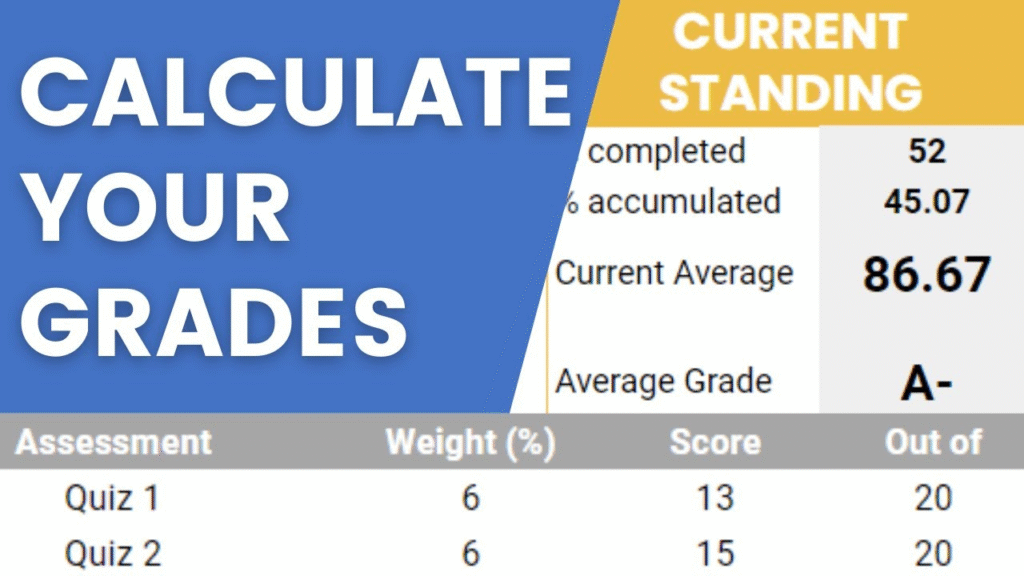
Use a weighted average formula: multiply each category’s grade by its weight, then sum the results. For example, if tests are 40% of your grade and you scored 88% on them, tests contribute 35.2 points toward your final grade. Our weighted average grades calculator automates this process.