A 22/30 grade means you scored 22 points out of a possible 30 on a test, quiz, assignment, or exam. In academic terms, this is one of the most commonly searched score ratios because 30-point assessments are standard across middle schools, high schools, and universities worldwide.
Whether you’re staring at a returned test paper, checking an online grade portal, or calculating your standing before finals, understanding what 22 out of 30 actually represents is the first step toward academic clarity.
22/30 Grade Breakdown: Percentage, Letter Grade, and GPA
The Math: Converting 22/30 to a Percentage
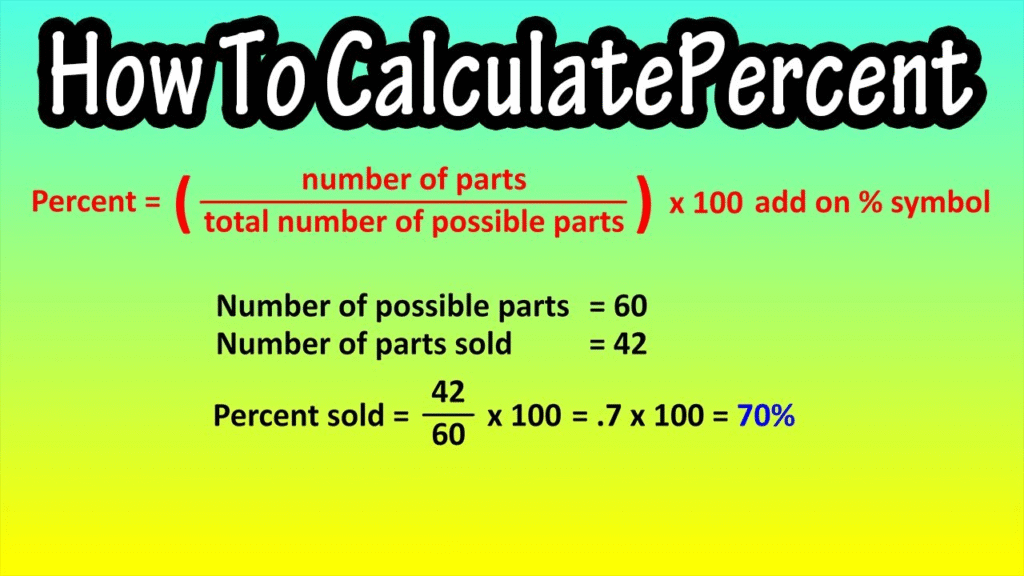
The calculation is straightforward:
(22 ÷ 30) × 100 = 73.33%
So 22 out of 30 as a percentage is 73.33% (or 73.3% when rounded to one decimal place). You missed 8 points out of 30, which represents a 26.67% deduction from the total possible score. If you want to understand how different grading scales work across institutions, our detailed guide breaks down every system.
Letter Grade: What Does 22/30 Translate To?
On the standard U.S. A-F grading scale, 73.33% falls within the C range (73–76%), making your 22/30 grade a C. Here’s the standard grading chart for context:
| Letter Grade | Percentage Range | GPA (4.0 Scale) |
|---|---|---|
| A+ | 97–100% | 4.0 |
| A | 93–96% | 4.0 |
| A- | 90–92% | 3.7 |
| B+ | 87–89% | 3.3 |
| B | 83–86% | 3.0 |
| B- | 80–82% | 2.7 |
| C+ | 77–79% | 2.3 |
| C | 73–76% | 2.0 |
| C- | 70–72% | 1.7 |
| D+ | 67–69% | 1.3 |
| D | 63–66% | 1.0 |
| D- | 60–62% | 0.7 |
| F | Below 60% | 0.0 |
GPA Impact: How 22/30 Affects Your Cumulative Average
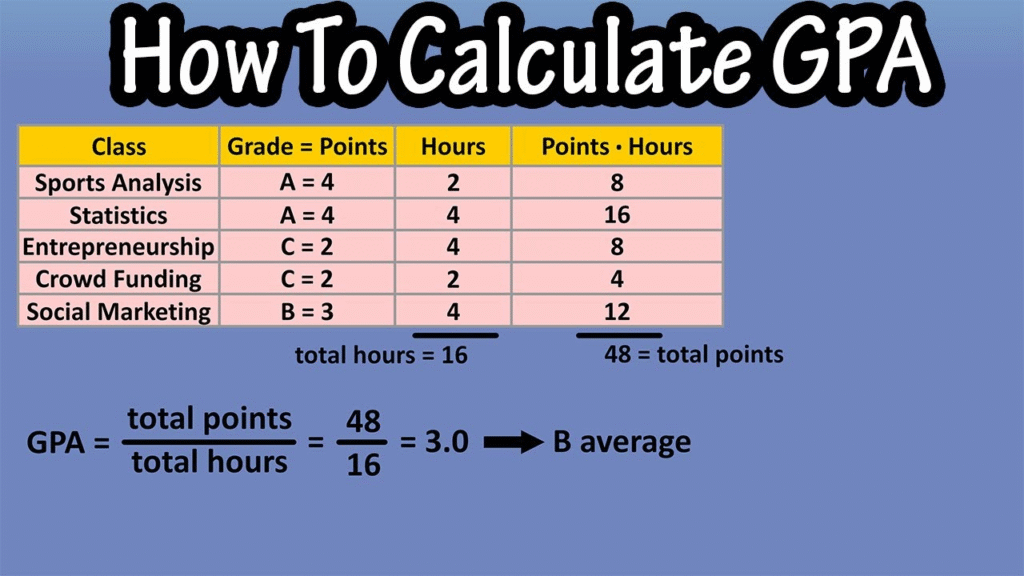
A C grade typically converts to a 2.0 GPA on the standard 4.0 scale. While a 2.0 keeps you above academic probation thresholds at most institutions, it’s far from competitive for honors programs, graduate school applications, or merit-based scholarships. Learning how to calculate grades quickly in 2026 can help you stay ahead of your academic standing throughout the semester.
Is a 22/30 Grade Good? The Honest Answer
The honest answer: it depends on your goals.
A 22/30 (73.33%, C grade) is a passing grade — you’ve demonstrated satisfactory understanding of the material. You’re not failing, and you’re meeting the baseline requirements for the course.
However, context matters significantly:
- For graduation requirements: A C is usually sufficient. Most programs require a minimum passing grade (often C or D) to earn credit.
- For competitive programs: Nursing, engineering, pre-med, and business programs often require minimum B grades in prerequisite courses. A C may not qualify.
- For scholarships: Many merit-based awards require maintaining a 3.0 GPA (B average) or higher. A single C can drag down your semester average.
- For graduate school: Admissions committees typically look for 3.5+ GPAs. A pattern of C grades raises red flags.
As one academic resource notes: “A ‘C’ is not a very good grade. By traditional definition it means ‘satisfactory’ — however you’re just satisfying the minimum requirements for the class.” Understanding different grading scales for results calculation can help you interpret where your C truly stands.
30-Point Test Score Reference Chart
If your class uses 30-point assessments regularly, this quick-reference chart helps you understand where you stand at a glance. For comparison, check out our guides on 24/30 grade and 23/25 grade to see how other common score ratios stack up:
| Score | Wrong | Percentage | Letter Grade |
|---|---|---|---|
| 30/30 | 0 | 100% | A+ |
| 29/30 | 1 | 97% | A+ |
| 28/30 | 2 | 93% | A |
| 27/30 | 3 | 90% | A- |
| 26/30 | 4 | 87% | B+ |
| 25/30 | 5 | 83% | B |
| 24/30 | 6 | 80% | B- |
| 23/30 | 7 | 77% | C+ |
| 22/30 | 8 | 73% | C |
| 21/30 | 9 | 70% | C- |
| 20/30 | 10 | 67% | D+ |
| 19/30 | 11 | 63% | D |
| 18/30 | 12 | 60% | D- |
| Below 18 | 13+ | <60% | F |
Key insight: On a 30-point test, each question is worth 3.33% of your total grade. Missing just one additional question (dropping from 22/30 to 21/30) pushes you from a C to a C- — a full letter grade step down. Precision matters.
Why Did You Get a 22/30? Common Causes
Understanding why you scored 22 out of 30 is more valuable than the number itself. Here are the most common culprits:
1. Knowledge Gaps (The “I Didn’t Know” Factor)
You missed 8 questions because you genuinely didn’t know the answers. This suggests:
- Incomplete studying
- Misaligned study focus (studying what wasn’t tested)
- Weak foundational understanding of prerequisite material
2. Careless Errors (The “I Knew That” Factor)
Many students who score in the low-70s actually know the material but lose points to:
- Misreading questions
- Simple arithmetic or spelling mistakes
- Rushing through the exam
- Not transferring answers correctly
Fix: Slow down. Read each question twice. Budget your time so the last 10 minutes are reserved for review.
3. Test Anxiety
Performance anxiety can cause even well-prepared students to underperform by 10–15%. If you consistently score lower on exams than on homework, anxiety may be the culprit.
4. Time Management Issues
Running out of time forces rushed answers on the final third of the exam. If your wrong answers cluster at the end of the test, this is your diagnosis.
How to Improve from a 22/30 to the Next Level
A 22/30 puts you just one point away from a C+ (23/30 = 77%) and three points away from a B- (24/30 = 80%). Small improvements yield significant grade jumps.
Immediate Actions (For the Next Assessment)
- Analyze your wrong answers — Categorize each mistake: knowledge gap, careless error, or time pressure. Target the largest category.
- Review the 8 questions you missed — Can you answer them correctly now? If not, revisit the specific chapter or concept.
- Meet with your instructor — Office hours exist for exactly this purpose. Ask: “Which topics should I prioritize for the next exam?”
- Form a study group — Explaining concepts to peers reveals gaps in your own understanding.
Long-Term Strategies
- Spaced repetition: Don’t cram. Review material in intervals (day 1, day 3, day 7, day 14) for retention.
- Practice testing: Take old exams or create flashcards. Active recall beats passive rereading every time.
- Sleep and nutrition: A well-rested brain performs 20–40% better on cognitive tasks. No all-nighter beats a full night’s sleep before an exam.
Frequently Asked Questions About 22/30 Grades
Q: What percentage is 22 out of 30?
A: 73.33% (or 73.3% rounded).
Q: What letter grade is 22/30?
A: A C grade on the standard U.S. grading scale.
Q: What is the GPA for 22/30?
A: Approximately 2.0 GPA on a 4.0 scale.
Q: Is 22/30 a passing grade?
A: Yes. A C is a passing grade at virtually all high schools and universities, though specific programs may require higher grades for prerequisites.
Q: How many questions did I miss if I got 22/30?
A: You missed 8 questions (or lost 8 points if partial credit was involved).
Q: Is 22/30 a good grade?
A: It’s satisfactory/average not excellent, not failing. Whether it’s “good” depends on your academic goals. For competitive programs, you’ll want to aim higher.
Q: How close is 22/30 to a B?
A: You need 24/30 (80%) for a B-. That’s just 2 more correct answers very achievable with targeted study.
The Bottom Line
A 22/30 grade 73.33%, C letter grade, 2.0 GPA is a passing, satisfactory score that indicates you understand most of the material but have meaningful gaps to address.
The good news? You’re closer to a B than you are to a D. With focused effort on your weak areas, improved test-taking strategy, and consistent study habits, moving from a C to a B (or higher) is entirely within reach.
Your grade is a snapshot, not a sentence. Use it as data, not a verdict and let it guide your next steps forward.
Related Articles You Might Find Helpful
- How to Calculate Grades Quickly in 2026 — Master the fastest methods to track your academic standing.
- Different Grading Scales for Results Calculation — Understand how letter grades vary across schools and countries.